Kompetenzen
Field testing
Precise data for geotechnical, environmental and hydrogeological issues
In the area of field testing, GEOTEST AG collects fundamental geological, geotechnical and hydrogeological data that systematically supports projects across all eight of the company’s business domains. This work forms a central basis for sound analyses, modelling, design calculations, and decision-making processes.
Our field teams work using standardised and proven methods. Field investigations can be divided into four key service areas:
Dynamic sampling – soil and subsoil samples for geotechnical and environmental characterisation
Dynamic sampling enables the extraction of intact and oriented soil and subsoil samples in low- to medium-density unconsolidated rock. The method provides information on:
Stratification and thickness of unconsolidated rock profiles
Material properties and grain size distributions
Geotechnically relevant subsoil parameters
Contamination in the subsoil
Dynamic sampling is particularly suitable for construction ground investigations, contaminated site assessments, and hydrogeological studies, where profile accuracy and material characterisation are paramount.
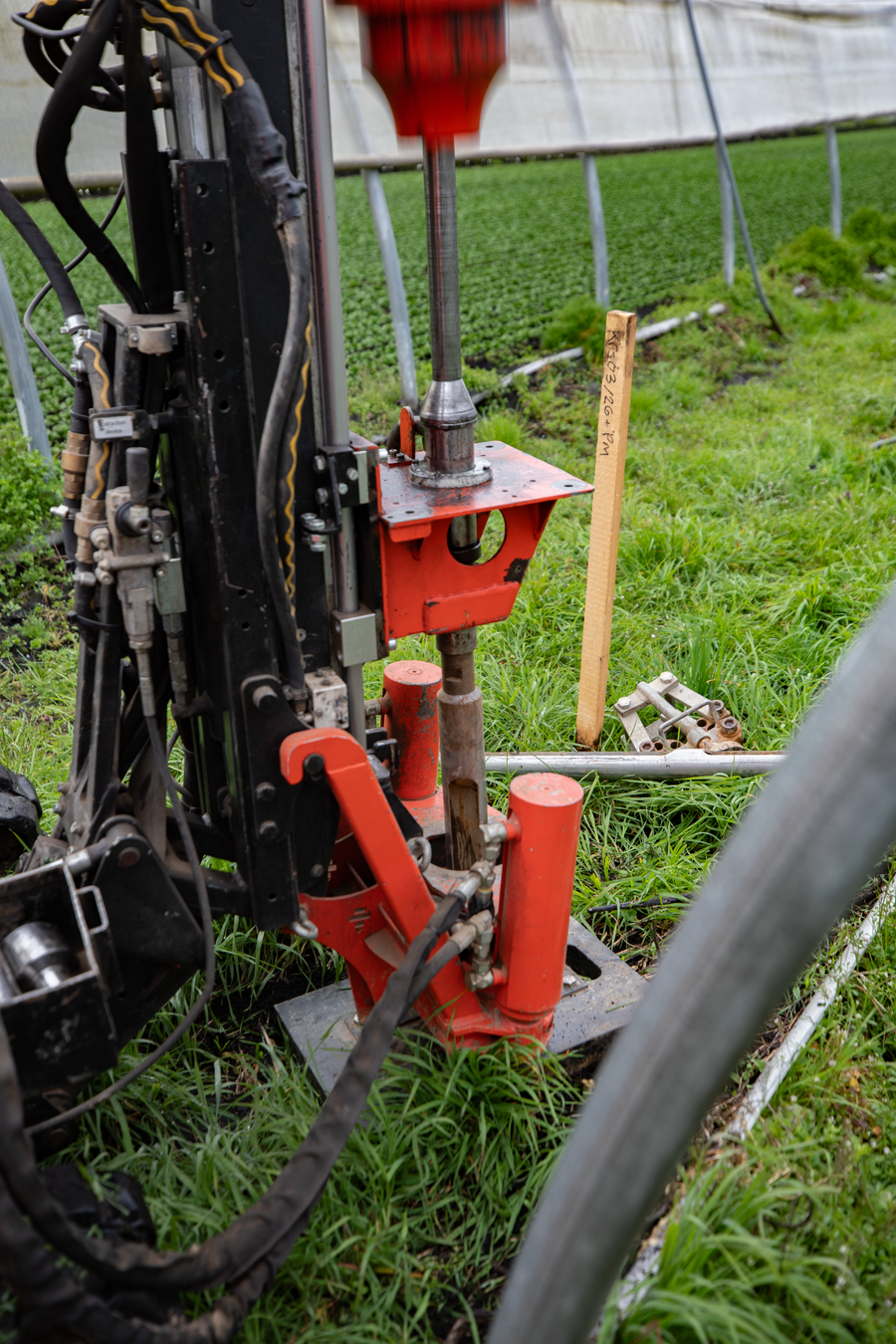
Dynamic sampling
Dynamic probing – an efficient method for assessing subsurface properties
Dynamic probing is used to determine the load bearing capacity of the ground and provides information on compaction density, (shear) strength, and spatial variability of the subsurface. Typical applications include:
Ground investigation: prior to the construction of buildings, roads or bridges.
Bearing capacity testing: determination of the maximum load the soil can withstand.
Soil layer analysis: information on different soil layers and their properties.
The method is cost-effective, is rapidly available, and delivers highly comparable results, particularly for construction ground investigation projects and preliminary geotechnical surveys.
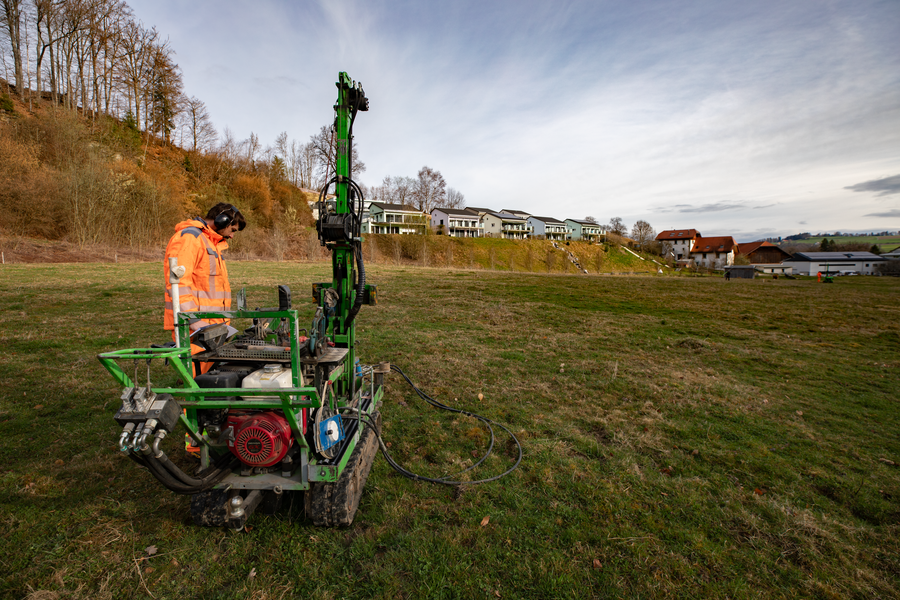
Dynamic probing
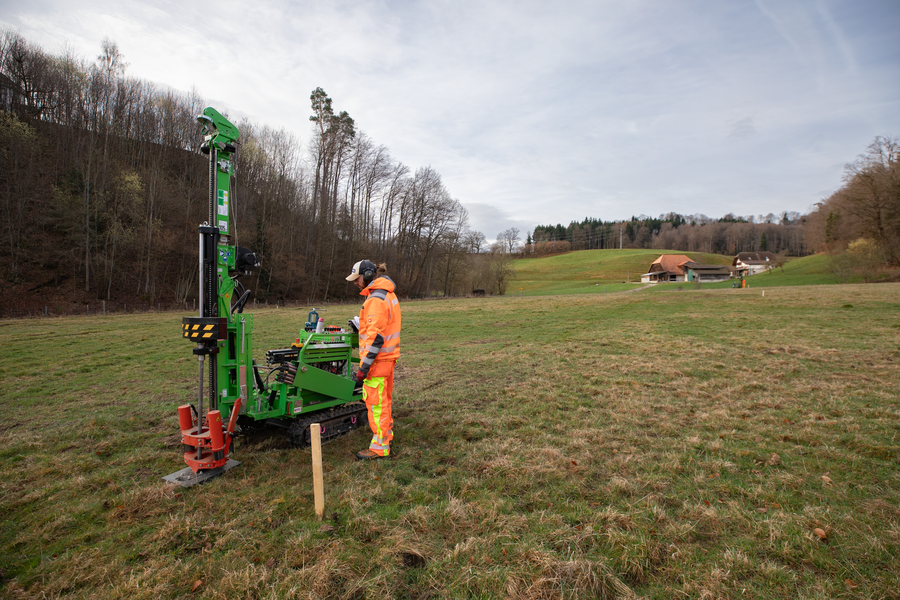
Dynamic probing
Installation of piezometer tubes – the basis for precise hydrogeological measurements
For hydrogeological and contaminated-site-related measurement and monitoring tasks, GEOTEST AG installs piezometer tubes in previously drilled dynamic sampling or probing holes. These simple and cost-effective installations enable:
Groundwater sampling
Monitoring of groundwater dynamics (groundwater level measurements)
Measurement of groundwater pressure or hydraulic potentials
Pumping and infiltration tests
Professional installation ensures reliable and meaningful measurement data that is stable over the long term.
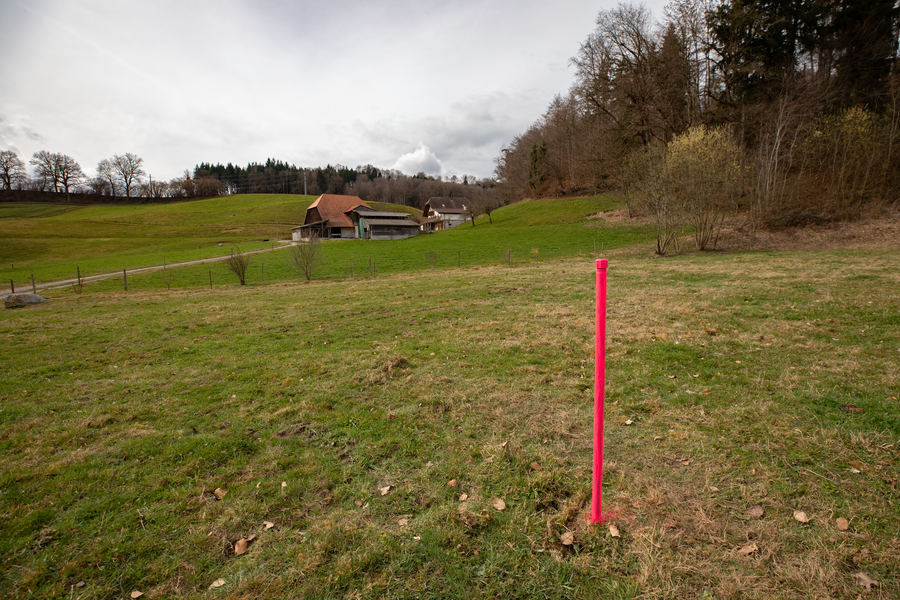
Installation of piezometer tubes
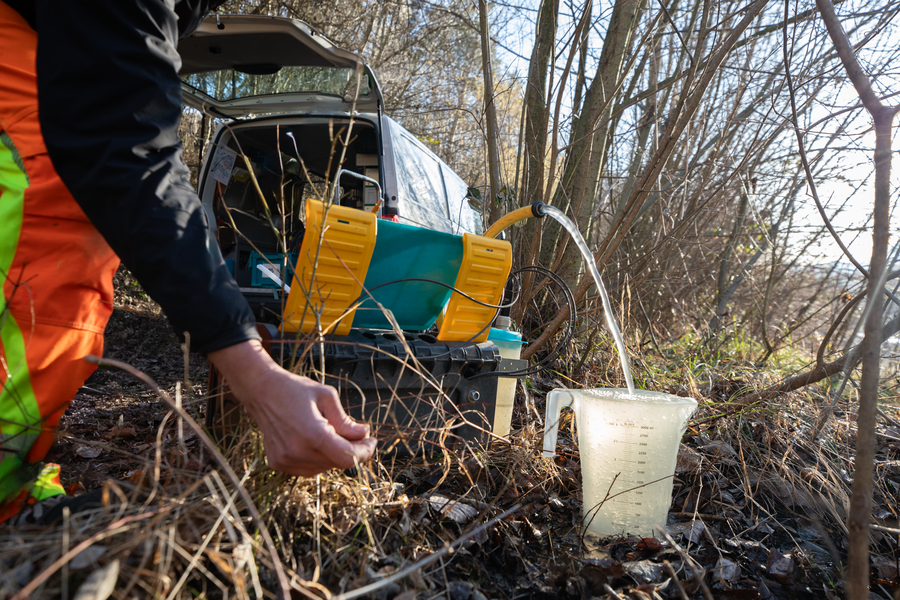
Grundwasserprobenahmen
Groundwater sampling and monitoring for environmental and construction projects
Groundwater sampling allows the quality or contamination of the groundwater to be determined. The following aspects can be assessed:
Site assessment in accordance with the Contaminated Sites Ordinance (AltlV).
Monitoring of changes in contaminant concentrations (including at active construction sites and during contaminated site remediation)
Transport of contaminants in groundwater
Regular groundwater level measurements serve in characterising the hydrogeological system and in recording temporal fluctuations. They are used for:
Groundwater monitoring in construction projects
Evaluation of hydrological boundary conditions during planning and design phases
Measurements are carried out manually or using data-logging systems – depending on project requirements.
Areas of application – geotechnics, contaminated sites, and hydrogeology
The methods described above are primarily used in the following areas:
Geotechnics (construction ground investigations, risk analyses, design criteria)
Contaminated sites (site characterisation, delineation of contaminant plumes, assessment of the development of contamination patterns)
Hydrogeology (groundwater level fluctuations, lowering of the groundwater table)